
Embedding Inclusion from Day One: Preparing Schools for September
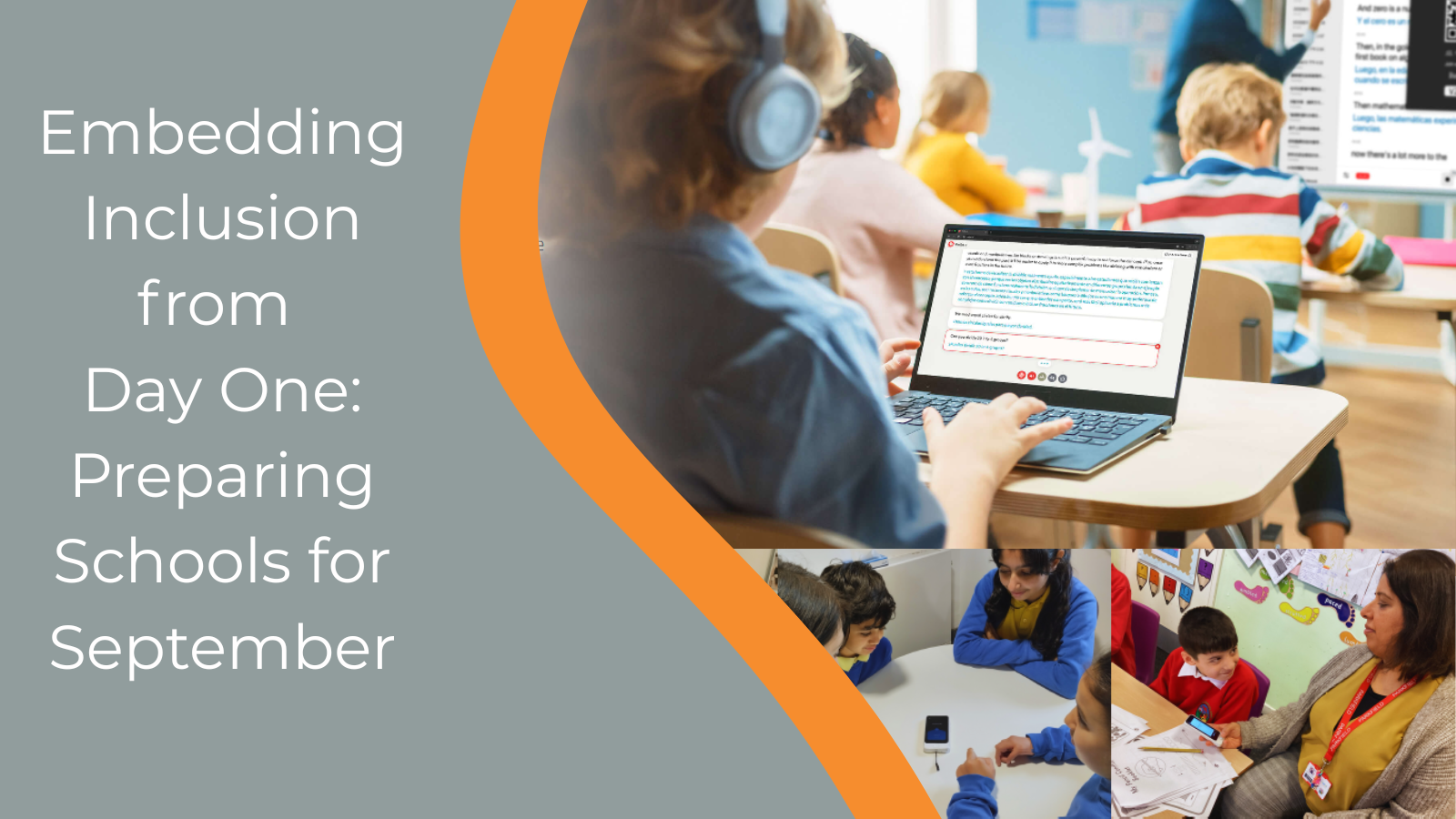
Assistive technology is most effective when it is introduced early, embedded consistently, and supported by staff confidence. When that happens, inclusion becomes part of everyday classroom practice—not a separate intervention.
As schools prepare for the start of a new academic year in September, this principle becomes especially important. The beginning of term offers a valuable opportunity to put the right systems, tools, and support structures in place so that every learner can access learning from day one. Rather than reacting to needs as they arise, schools can take a proactive approach—ensuring that communication, literacy, sensory, and accessibility needs are already being met as pupils settle into new routines.
Preparing for an inclusive September
A successful start to the academic year depends on how well schools anticipate and plan for the diversity of their learners. This includes pupils with Education, Health and Care Plans (EHCPs), those receiving literacy interventions, pupils requiring exam access arrangements, and learners who are new to English or who need additional communication support.
Assistive technology plays a central role in making this early preparation effective. When embedded across classroom practice and intervention strategies, it helps ensure that barriers to learning are reduced before they impact progress.
Assistive technology supporting inclusive classrooms
To support schools in building inclusive environments from the outset, a range of assistive solutions can be introduced or reviewed ahead of September.
Communication and language support
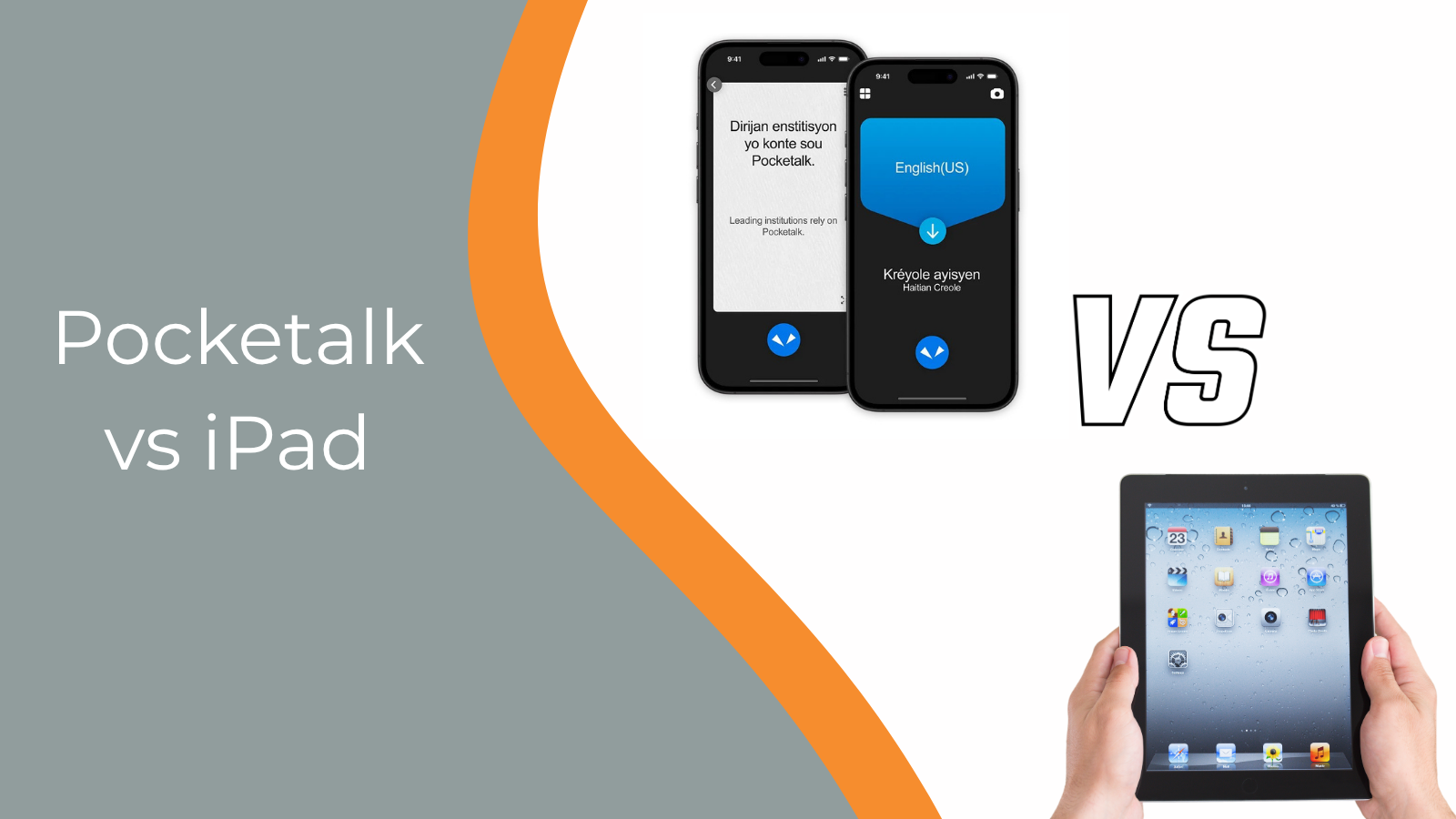
Pocketalk provides real-time translation technology that helps schools support EAL learners and their families. By enabling clear communication from the first days of term, it strengthens engagement, supports induction processes, and helps pupils feel included in school life.
Vurbo.ai uses AI-powered speech and communication support to help pupils with language, communication, and literacy needs participate more confidently in lessons. This is particularly valuable during the early weeks of the school year, when establishing routines and classroom participation is key.
Literacy and reading support
Lili for Life Lamp supports pupils experiencing visual stress and reading difficulties, including dyslexia. By improving reading comfort and reducing strain, it helps learners engage with classroom materials more effectively from the beginning of term.
Logickeyboard Dyslexie Keyboards provide colour-coded keyboards that support letter recognition and improve typing confidence for dyslexic learners. As pupils return to structured digital learning, these tools help build independence and accuracy.
IRIS Reading Pens offer instant text-to-speech support through portable scanning technology. They are particularly useful for literacy interventions, independent learning, and exam access arrangements, ensuring pupils can access written content without delay.
Hearing and classroom accessibility
Nuance Hearing Solutions provides classroom audio systems designed to improve speech clarity and sound distribution for pupils with hearing impairments. This ensures learners can fully participate in discussions and instruction, even in busy classroom environments.
Supporting whole-school priorities
When used effectively, these tools contribute directly to key areas of school provision, including:
✓ EHCP delivery
✓ Literacy intervention programmes
✓ Exam access arrangements
✓ Accessibility planning
✓ SEND support strategies
✓ Inclusive classroom practice
Building momentum from day one
The start of the academic year is more than a logistical reset—it is an opportunity to establish inclusive practices that will shape learning outcomes for the months ahead. When assistive technology is embedded early and used consistently, it helps create classrooms where all learners can participate, progress, and succeed without unnecessary barriers.
By planning ahead for September, schools can ensure that inclusion is not something added later in response to need, but something built into everyday teaching from the very beginning.
Related posts



Related products









Recent posts
 RSS Feed
Subscribe to our Mailing List
For news, product updates, offers and more, signup to our newsletter. See our Privacy Policy here