OFSTED Inspection Framework Update: What Schools Need to Know
The latest inspection framework from Ofsted marks a significant shift in how schools are evaluated — with a sharper focus on inclusion, impact, and consistency.
Inspectors are now placing particular emphasis on the experiences and outcomes of:
- Disadvantaged pupils
- Pupils with special educational needs and/or disabilities (SEND)
- Pupils known (or previously known) to children’s social care
- Learners facing additional barriers to learning or wellbeing
These groups are no longer peripheral to inspection — they are central to planning, inspection activity, and final judgements.
So what does this mean in practice?
- The Bar Has Been Raised
To meet the new expected standard, every element of each evaluation area must now demonstrate impact.
The new “expected level” broadly aligns with what was previously considered a strong Good judgement — meaning schools must evidence higher quality provision across the board, not just in pockets.
- Evidence Is Everything
Inspectors now expect:
- More detailed and broader evidence
- Clearer data to explain school context
- Greater transparency in processes
While this brings clarity, it also comes with significantly increased expectations. Schools must be able to show not only what they do — but why and how it improves outcomes for pupils.
- National Averages Carry More Weight
National attainment averages are playing a much larger role in inspection discussions.
School context now has limited influence on final judgements, creating additional challenge for schools serving lower-attaining or more disadvantaged communities. The focus is firmly on outcomes and progress relative to national benchmarks.
- Impact Is Central
Strong systems and policies alone are no longer enough.
Inspectors are looking for:
- Clear evidence of impact
- Consistency across the whole school
- Proof that strategies are improving real-world pupil experiences and outcomes
Impact must be visible, measurable, and sustained.
- Alignment Matters More Than Ever
Schools must now demonstrate consistency across three critical areas:
- Leadership narrative
- Documentation and data
- What inspectors actually observe in classrooms and daily routines
If these don’t align, concerns will be raised. What leaders say, what paperwork shows, and what happens in practice must tell the same story.
What This Means for Schools
Success under the new framework depends on:
- Embedding good practice consistently across the school
- Clearly evidencing the difference this makes for pupils
- Ensuring staff delivery in classrooms reflects leadership intent and documented processes
Every member of staff plays a vital role — inspection outcomes increasingly hinge on day-to-day teaching and learning.
How edtech.direct Supports Schools, Trusts, and Learners
We work closely with schools and trusts to help translate inspection expectations into practical, classroom-ready solutions.
Here’s how we support key inspection priorities:
Inclusion: “Normal Ways of Working” & Access Arrangements
- Support provision mapping with clear reference to normal ways of working ahead of exam access arrangements
- Help schools keep students, parents, and carers informed
- Raise aspirations by ensuring learners know they can expect consistent support in both internal and public examinations
Tools such as C-Pen Exam Reader 2 (from Scanning Pens) help improve reading accuracy and comprehension, while Ghotit provides specialist literacy support for spelling, grammar, and writing difficulties.
EAL & Community Engagement
Real-time translation technology helps remove communication barriers and supports EAL learners and families, using solutions from Pocketalk and IPEVO (with Vurbo.ai), alongside hearing support solutions from Nuance Hearing.
Consistency of Teaching & Learning — “Wherever, Whatever”
Carefully selected assistive technology can:
- Remove barriers to learning and assessment
- Turn teaching and learning policy into daily practice
- Address sensory needs
- Provide valuable evidence for access arrangements
Platforms like ScreenBeam (designed specifically for education) enable wireless screen sharing, integrated whiteboarding, digital signage, and instant notifications — all in one solution.
We also supply audio-visual assistive products to support pupils with hearing, visual, and sensory needs.
Managing the Inspection: Learning Walks & Feedback
During inspections, speed and clarity matter.
Paper-like Note Air tablets allow staff to instantly convert handwritten notes into digital text, enabling real-time sharing of feedback and observations across teams — right back to senior leadership while on the move.
Final Thoughts
The updated framework makes one thing clear: inspection success now depends on consistent practice, robust evidence, and demonstrable impact for every learner.
If you’d like support aligning your provision, technology, and evidence with the new expectations, we’re here to help.
Get in touch to explore how assistive and inclusive technology can strengthen outcomes — and inspection readiness — across your school or trust.
Paul Phillips- Educational Consultant and Former Head Teacher

-
 C-Pen Exam Reader 2£235.00
 -
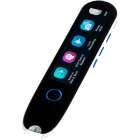 IRISPen Reader 8£93.35
 -
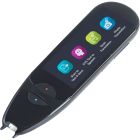 IRISPen Air 8£120.58



Subscribe to our Mailing List
For news, product updates, offers and more, signup to our newsletter. See our Privacy Policy here